

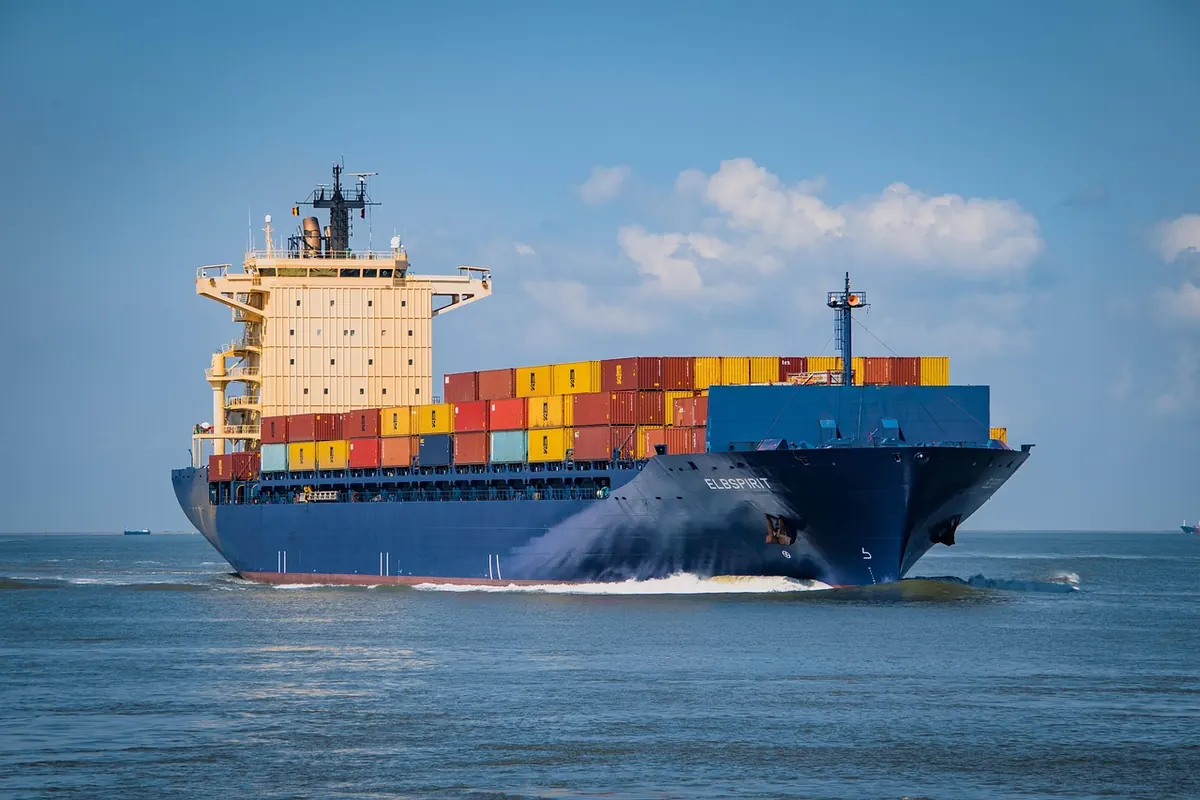

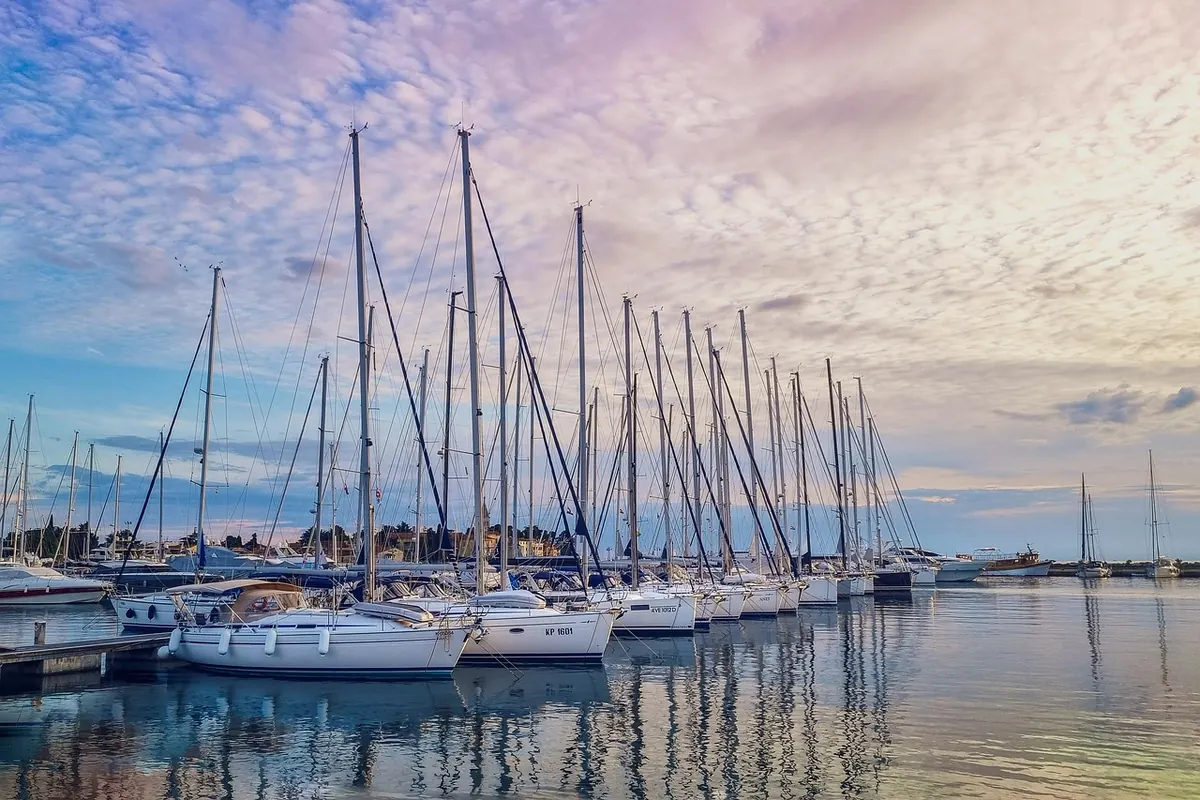
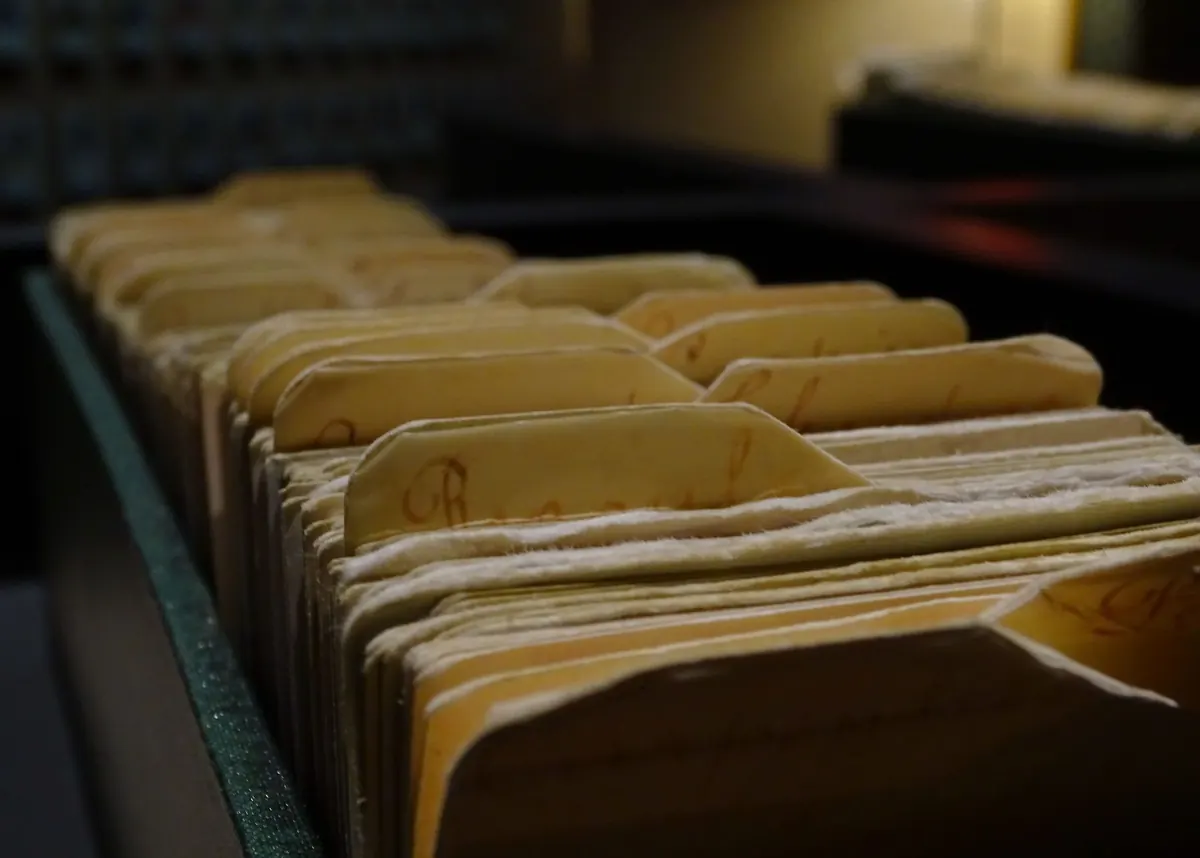
The box held three things: a brass button, a photograph of a man in a thick jersey standing beside a boat, and a scrap of paper with a date and four words — “off the Point.” That is often how it starts. Not with a tidy family tree, but with an object that refuses to explain itself. Coastal families left unusually deep paper trails, because ports wrote down almost everything that moved: boats, cargo, men, wages, wrecks and weather. You do not need to be a historian to follow those trails. You need a notebook, a few free afternoons, and the patience to read badly photocopied ledgers sideways.
Start with the people, not the paper
Archives reward specific questions. Before you touch a catalogue, sit down with whoever is left and ask about boats. Not “when was Grandad born” — ask what the boat was called, who else sailed on her, what he smelled of when he came home, which pub the crew drank in, what he shouted when the lines fouled. Nicknames matter more than you would expect. A man listed in a crew agreement as Alfred may be “Tibby” to three generations of his own family, and the only person who can connect the two is sitting in a chair with a cup of tea going cold.
Record these conversations if you can, and write up your notes the same evening, while you still remember which uncle waved his hand at which part of the harbor. Ask two people the same question separately. Coastal families are good at keeping stories and careless about dates, and the gap between two versions is usually where the useful detail hides.
Find out what your harbor actually kept
Ports are not standardized. A busy customs port, a small fishing haven and a naval dockyard produced entirely different paperwork, and much of it never left the town. The usual homes for it are the local studies library, the county or regional record office, a maritime museum, the harbor authority itself, and sometimes a historical society running on volunteers and a photocopier.
Records worth asking about by name:
- Harbor master’s day books and logbooks, which often note arrivals, departures and accidents.
- Customs and excise records: cargo entries, port books, and shipping returns.
- Crew lists, muster rolls and crew agreements, the richest single source for ordinary sailors.
- Ship registration papers, including the details recorded when a vessel changed owners.
- Pilotage, towage and dock company minutes — dull reading, wonderful for names.
- Fishing licenses, boat registrations and harbor dues books.
- Quarantine and immigration lists, especially at larger ports.
Email before you travel. The question that saves the most time is a plain one: “Do you hold crew lists or harbor records for this port in the 1890s, and are they indexed by name?” If the answer is no, ask who might hold them. Archivists are generous with that kind of signposting, and it is far cheaper than a wasted Saturday.
Crew lists are the closest thing to a passport
A crew agreement records a man’s age, place of birth, the ship he joined, the date he signed on, his rating, his wages and often a note on how he left — discharged in port, deserted, died. Read one and you can build a sequence of ships, and a sequence of ships is a sequence of voyages across an ocean. Work through them in order and the geography of a working life starts to appear.
Copy out, exactly as written, the following for every entry you find: full name and any variant spellings, age, birthplace, ship name and official number, date signed on and off, rating, and the name of the ship’s master. Copy the variants too — a family name can shift between C, K and even a crossed-out letter, and seeing the clerk’s spelling habit tells you whether you are looking at a different man or the same one badly written.
Read the marine column like a local
Nineteenth- and early twentieth-century local newspapers carried shipping intelligence as a matter of routine: arrivals, departures, vessels spoken to, wrecks, inquests, court cases over wages, lifeboat launches, and small human notes about who was saved and who was not. You will meet sentences with a rhythm like this: “Arrived, the smack Ellen, of this port, with a cargo of oysters” — three lines that can anchor a whole year.
Searching a paper with no index
Work from the event outward rather than from page one. If a boat was lost in February, read every issue from mid-January to the end of March. If you know a man’s ship, search the shipping column for the ship’s name first; the crew are usually named only in the exceptional stories, and those exceptions are the ones worth finding. Check the same story in a second paper if your town had one — reporters disagreed, and the second version often has the detail the first left out.
Photographs: the quiet evidence
Family photographs of boats are underrated documents. A registration number painted on a bow, the shape of a wheelhouse, a particular style of oilskin, the car parked at the edge of the frame — all of it dates an image far more reliably than handwriting on the back.
- Scan or photograph the front and back at high resolution, in good even light.
- Read the back last. Look at clothing, ropes, engines, chimneys and background buildings first, then compare your guess with the inscription.
- Note any studio mark, photographer’s name or postcard publisher — those are searchable in local collections.
- Show the image to the oldest person you know, but show it without telling them your theory. Let them say what they see.
- Take a copy to the local studies library or maritime museum; staff often recognize a vessel or a yard from a single detail.
Come in through the side doors
When the obvious records run dry, the smaller collections carry you further than you would think. Church registers in port towns record mariners constantly, and some register baptisms of adults at sea. Cemetery and memorial inscriptions often give a ship and a date. Lifeboat station logs name the crew who launched — and sometimes the men who did not come back. Fishermen’s associations, co-operatives, friendly societies and maritime charities kept membership books that list addresses and occupations. School logbooks mention children taken out of class when a father drowned.
Two practical habits protect you here. Photograph or scan every page you use, including the cover, the spine and the catalogue reference, because nothing is more frustrating than a folder of notes with no idea where they came from. And keep a single research log, dated, with the name of the record, the reference number, the place and what you concluded. Write down the dead ends too. A list of what does not exist is a real result.
A plan you can actually finish
Choose a modest first goal: one named person, one ship, one decade. Then work in this order.
- Record what the family knows and label every version with who said it.
- Ask three archives what they hold, in writing, and wait for answers before travelling.
- Book one session at the local studies library and one at the record office, on separate days.
- Search the shipping column for a ship’s name across a whole year, not a single date.
- Build a timeline of ships, dates and places, and keep adding to it.
- Write four hundred words for someone who has never heard the story. This is the step people skip, and it is the one that shows you what still needs finding.
Most of a sea story is already written down somewhere, in a clerk’s careful hand, in an office with a view of the water. It simply has not been read yet. Give it two Saturdays and a notebook, and the brass button will start to mean something.
Photo: George Diamanto / Pexels