

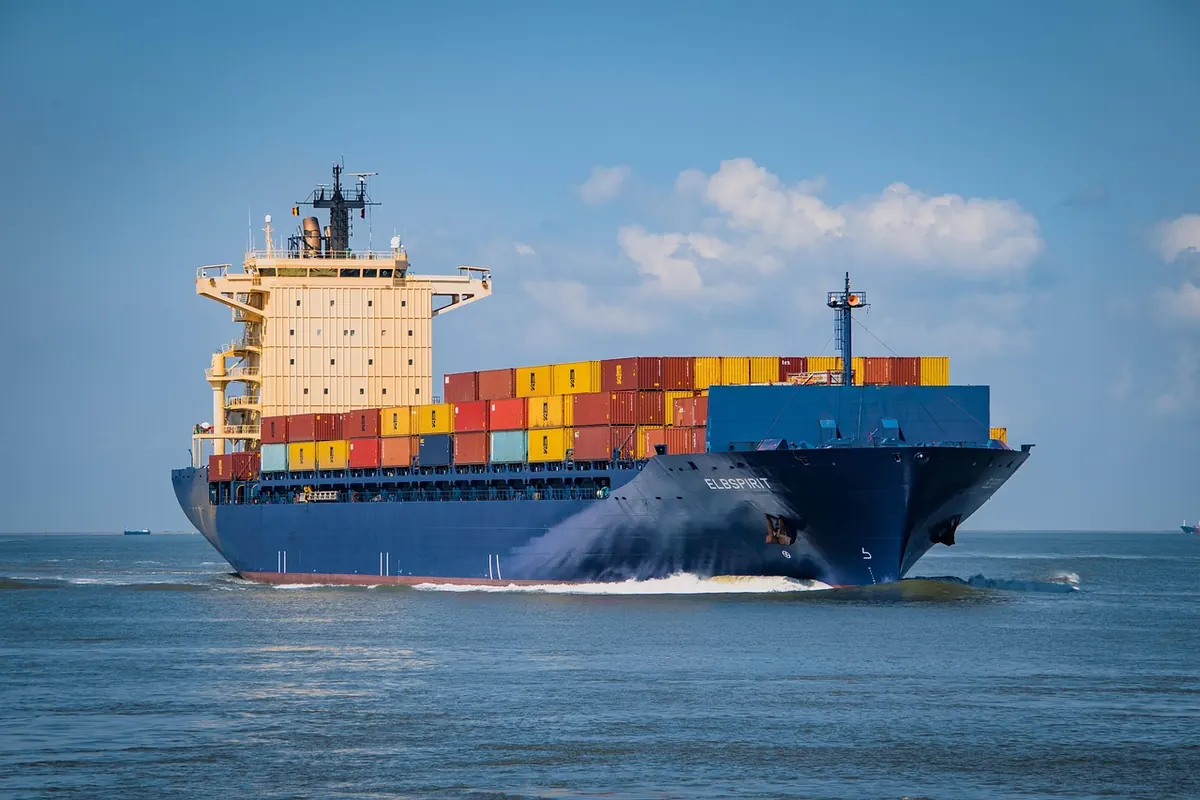

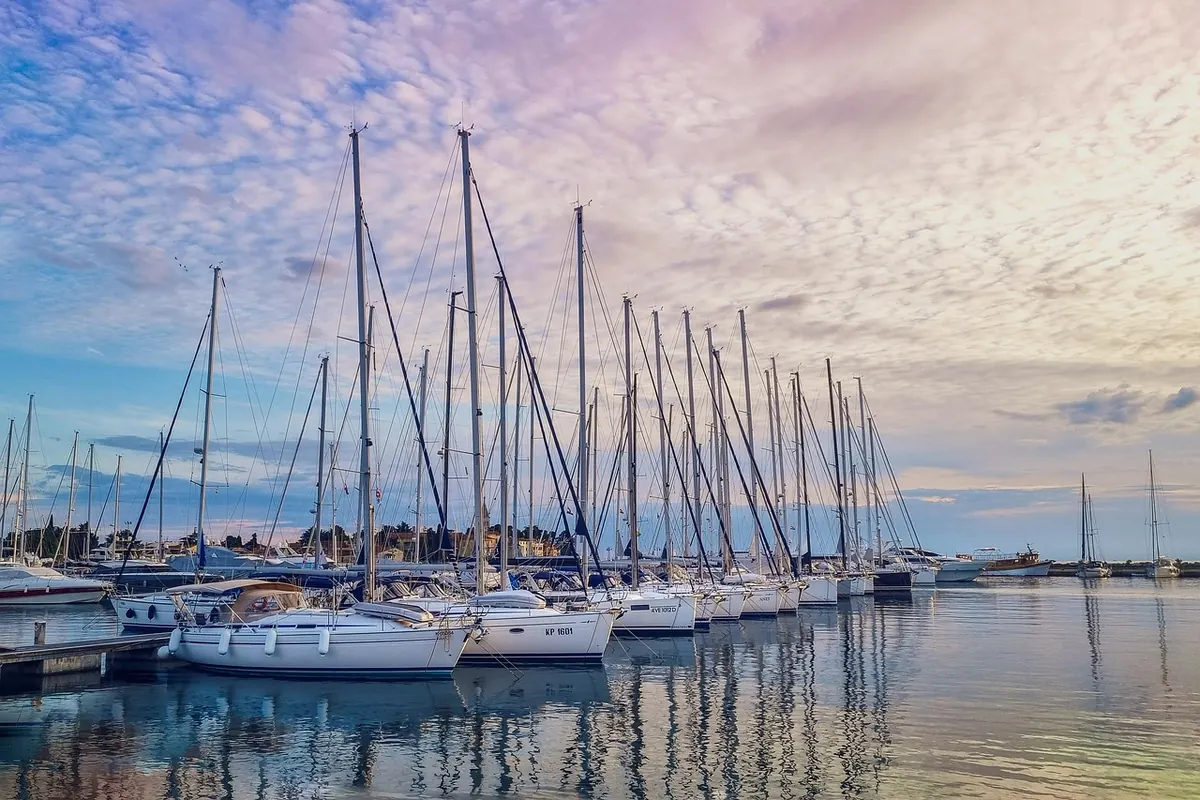
On a windy Tuesday the phone will buzz three times before you finish your coffee. A ferry delay. A photograph of a cruise ship the size of a district. A headline about a storm that may or may not be heading for your stretch of coast. Read those three in the wrong order and you will spend the morning bracing for a disaster that is really just a timetable change. Read them in the right order and you will know within five minutes whether to double up the mooring lines, close the shutters, or go back to bed. The difference is not courage. It is method.
Start With the Source, Not the Headline
Almost every maritime story you see has been rewritten at least twice. A harbour office issues a notice, a local paper summarises it, an aggregator summarises the summary, and by the time it reaches your feed the date, the zone and the exception clause have usually fallen off. Before you react, ask who actually said this.
Primary sources are dull and reliable. The port authority's notice board. The coast guard's bulletin. The harbour master's ordinance, the ordinanza that tells you where you may not swim, moor or anchor this week. The marina office's email. Your regional weather service. A press release from a ferry company announcing a new route is marketing; a notice from the same company cancelling a sailing is information. Both are worth reading, but only one of them should change your plans.
One practical habit: when a story matters, find the original document and read the first three lines and the last three lines. The opening tells you what is happening and where. The closing almost always holds the exceptions, the effective dates and the contact number. Most of the panic lives in the middle, where nobody has read the caveats.
Sort the Story Into One of Four Buckets
Nearly everything filed under maritime news is one of four things, and each deserves a different response.
- Routine operations. Dredging schedules, berth works, changed ferry timetables, a seasonal buoy swap. Interesting, occasionally inconvenient, almost never urgent. You need to know, but you do not need to act today.
- Weather. Forecasts, warnings, sea state, wind. This is the only bucket that can require a decision within hours, and even then only if you are on the water or directly exposed.
- Regulatory. New anchoring rules, speed limits in a channel, licensing changes, environmental restrictions. These matter, but they unfold over weeks and months, with dates attached.
- Incidents and investigations. An accident, a grounding, a rescue. Serious, sometimes tragic, and usually reported long before the facts are settled. Read them, learn from them, and resist the urge to draw a rule for your own life from a story that is still unfolding.
If a story does not clearly fit one of these, that is a signal to slow down rather than speed up.
Apply the Weather Test
Weather coverage is where sensible people lose their heads. Two headlines can describe the same system and sound like different planets. Before you move anything, ask three questions.
Where, exactly?
"The Mediterranean" is not a location. A warning for the northern Adriatic may be entirely irrelevant to a harbour two hundred kilometres south, and a gale in one channel can leave the next bay flat and quiet. Find the zone name and match it to your own.
When, exactly?
Note the start and end time, then note whether it covers the hours you will actually be out. A warning that runs from midnight to six in the morning is a different proposition from one that covers your Saturday crossing with guests aboard.
What is being warned against?
Wind, swell, rain, storm surge, visibility and temperature are not the same hazard, and they do not have the same consequences. Twenty knots of wind is a rough afternoon for a dinghy and a nuisance for a ferry. Two metres of swell against a harbour wall is a problem for the wall, not for you. Colour-coded alert systems and warning levels are shorthand for severity, but they are written for the whole region. Your own exposure, your mooring, your boat, your ground-floor flat, is the only filter that matters.
For anything that involves your safety on the water or your property on the shoreline, follow the official coast guard and civil protection guidance rather than a news summary of it.
Read for the Details That Change Your Day
Once you know what kind of story it is, hunt for specifics. A closure from 06:00 to 18:00 on a single day is a planning problem. A closure "this week" is not yet information. A speed limit in a channel and a speed limit in a marina basin are different rules that a short article may blur into one. A new fee for commercial traffic usually has nothing to do with your trailer-launched dinghy.
Three things are worth circling every time: the time, the place, and who the rule applies to. If any of those is missing from the article, the article is not finished, and you should go to the source before you change anything.
When the Story Is Regulatory
Rules about anchoring, mooring, waste discharge, fishing, swimming zones and vessel registration tend to reach the public in confusing fragments. Read the actual text where you can, and check the effective date, because many ordinances are published well before they bite. Look for transitional periods, exemptions for recreational craft, and anything that applies only in a defined area.
Then do the unfashionable thing and call the harbour office. A two-minute question to the person who writes the notices will save you an afternoon of forum argument. For anything involving liability, insurance or a dispute with a neighbour over a mooring, ask a qualified professional rather than a comment thread.
Run the Five-Minute Checklist
- Who issued the original notice, and when? Find it before you trust the summary.
- Which bucket is this — operations, weather, regulation or incident?
- Is the zone mine, the time mine, and the hazard one that affects my patch of coast?
- What are the dates, hours, thresholds and exceptions?
- Does it apply to someone like me — recreational, resident, or commercial?
- Is there an action today, this week, or none at all?
- Who could confirm this quickly — harbour office, marina, coast guard, neighbour?
Most days, step six lands on "none at all." That is not complacency. That is the checklist working.
Keep a Calm File
Build a small routine instead of a big reaction. Bookmark the harbour office and coast guard pages rather than relying on whatever surfaces in your feed. Keep a notebook, paper or otherwise, where you jot the date, the source and the one line that mattered: works in the basin until the 14th, no mooring on the east quay. Revisit the story the next morning, when the early version has usually been corrected.
And give yourself permission to be bored by most maritime news. A coast is a busy place, and something is always happening at the port. Very little of it asks anything of you. Learn to tell the difference, and the headlines stop being weather of their own.
Photo: dendoktoor / Pixabay